
Carbon Monoxide Poisoning and Generator Safety
Carbon monoxide (CO) is a colorless, odorless, and tasteless gas that can be deadly. Because it cannot be seen or smelled, people often don’t realize they are being exposed. CO is produced whenever fuel is burned such as in cars, generators, gas stoves, or fireplaces and can quickly build up in enclosed or poorly ventilated areas, leading to poisoning.
Portable generators must never be used indoors or placed too close to the house; they generate deadly carbon monoxide gas. Improperly maintained wood stoves, furnaces and fireplaces also generate deadly carbon monoxide. You wouldn’t start your automobile in the house, don’t run a generator in the house or near air intakes.
Learn more about on generator safety at https://www.ready.gov/power-outages.
Download FEMA’s fact sheet on how to Use Generators Safely at Home.
Download the OSHA Fact Sheet on Using Portable Generators Safety
Read the American Red Cross’s safety tips about Using a Generator at Home.
Symptoms of Carbon Monoxide Poisoning
Carbon monoxide poisoning can happen quickly and often goes unnoticed until people start feeling unwell. The symptoms can resemble the flu or food poisoning, such as headache, dizziness, or nausea, which makes it easy to mistake for something else. Paying attention to these early warning signs and getting to fresh air immediately can prevent serious illness or death. Be alert for the following warning signs:
- Headache, dizziness, or lightheadedness
- Nausea, vomiting, or stomach pain
- Fatigue or weakness
- Shortness of breath or chest tightness
- Confusion, blurred vision, or difficulty concentrating
- Loss of coordination or fainting
- In severe cases, unconsciousness or death
If several people in the same area experience these symptoms at once, it may indicate carbon monoxide exposure. Move to fresh air immediately and call 9-1-1.
Visit the National Fire Protection Association website for more information on carbon monoxide poisoning.
Prevent Carbon Monoxide Poisoning
Carbon monoxide poisoning can be prevented by following a few simple safety practices. Regular maintenance and awareness can protect you, your family, and your community from harm.
Follow these prevention tips:
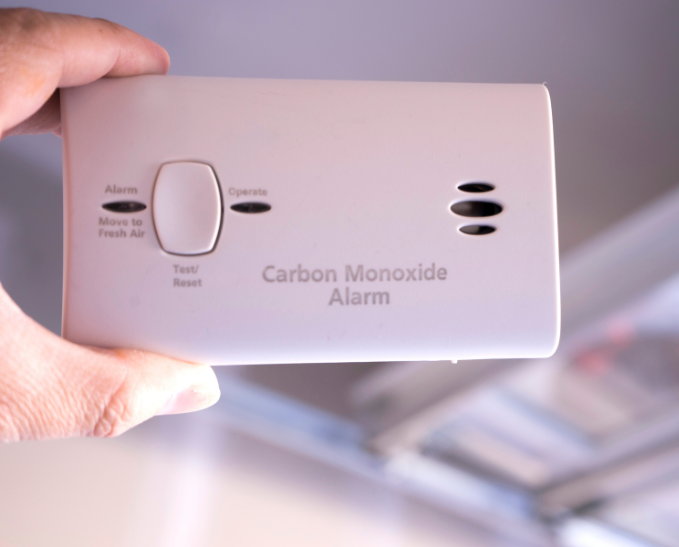
- Install carbon monoxide detectors near sleeping areas and on every floor.
- Test detectors monthly and replace batteries regularly.
- Have heating systems, water heaters, and gas appliances inspected each year.
- Never use portable generators, camp stoves, or charcoal grills indoors or in enclosed spaces.
- Keep vents and chimneys clear of debris, snow, or other blockages.
- Do not leave vehicles running inside garages, even with the door open.
- If a carbon monoxide alarm sounds, go outside immediately and call 911.
Generators
Avoid Electric Shock and Electrocution
- Only plug in as many items as your generator can handle. Use heavy-duty, three-prong extension cords made for outdoor use.
- Never plug your generator into a wall outlet. This can cause serious damage to your home’s wiring and can electrocute utility workers.
- Don’t use a generator in the rain or near standing water. Place it on a dry surface under a canopy or other open shelter.
- Never touch a generator if you’re standing in water or your hands are wet.
- Make sure your generator is properly grounded. Even models with built-in safety features need grounding to work correctly. Check your owner’s manual for the right way to do this.
Avoid Fire Hazards
To prevent fires when using a generator:
- Always turn off the engine and let it cool before refueling. Spilled fuel on hot engine parts can catch fire.
- Store gasoline, kerosene, propane, and other flammable liquids in clearly labeled containers outside your home or garage. Fumes from these fuels can travel and be ignited by appliances like water heaters or furnaces.
- Portable generators are helpful for temporary power, but they must be used carefully. Always read and follow the manufacturer’s instructions to make sure you understand how to operate your generator safely
Related Resources
- Ready.gov Generator Safety
- Download FEMA Fact Sheet Use generators safely at home
- Download OSHA Fact Sheet Using Portable Generators Safety
- American Red Cross’s safety tips about Using a Generator at Home.
- National Fire Protection Association website for more information on carbon monoxide poisoning.