
Flooding happens when water covers land that is normally dry. Flooding can be shallow with only a few inches of water or deep enough to reach the roof of a home. You should be especially prepared if you live in a low lying area, near a river, stream, canal, or culvert, along the Delta, or downstream from a dam or levee.
Floodwater is dangerous. Not evacuating when told to leave, going into floodwater, or staying in the area after a flood can lead to serious injury or death. Always stay out of floodwater and avoid moving water. Never try to walk, swim, or drive through it. Six inches of moving water can knock you down. Two feet of water can carry away a car.
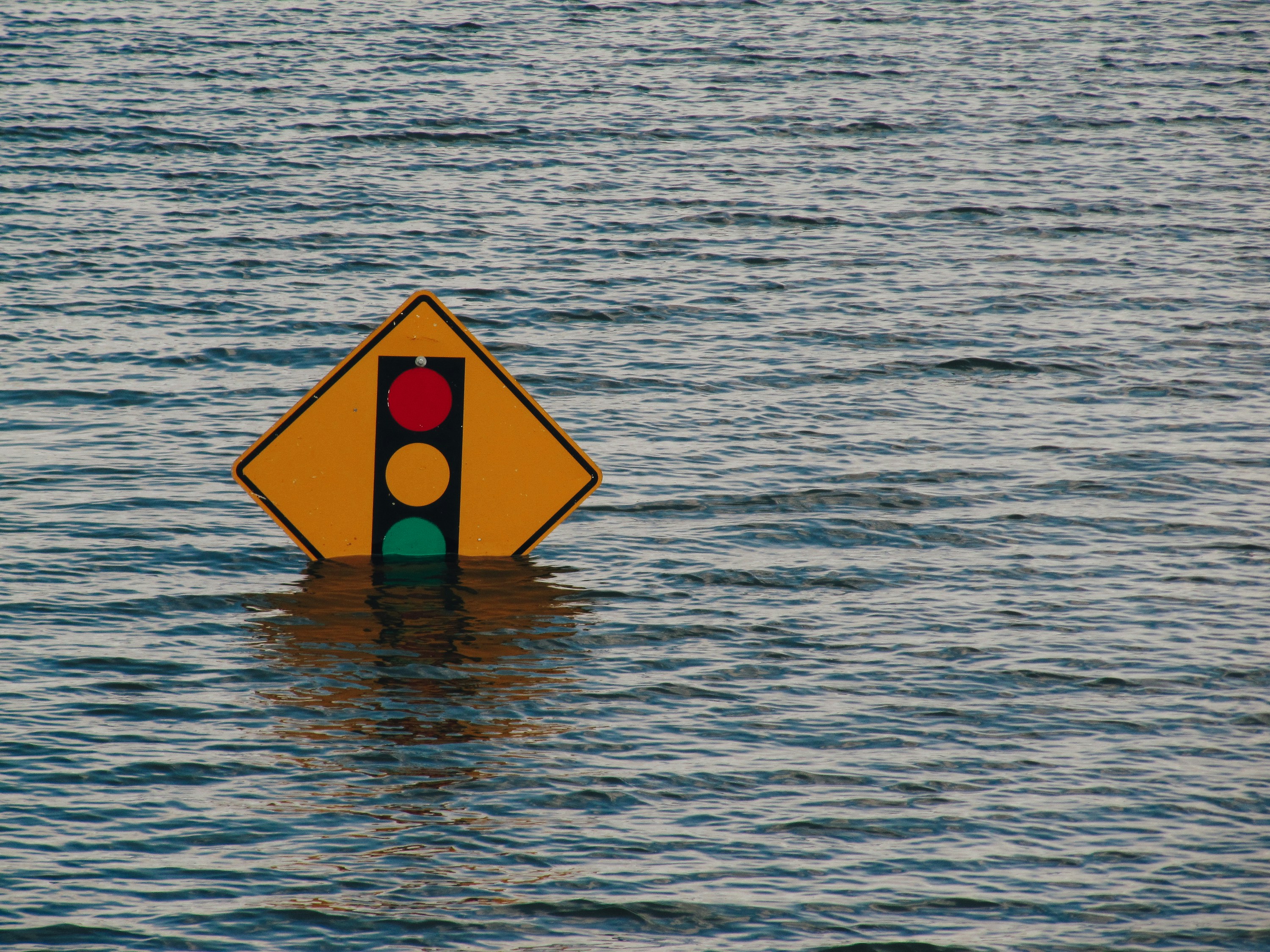
Prepare for Floods
Flooding can happen quickly and with little warning. Heavy rain or rising water can put you and your family at serious risk, so preparing ahead of time is essential. Start by knowing your flood risk and signing up for local alerts. Make an emergency plan with your household and assemble a kit with food, water, medications, flashlights, and important documents. Move valuables and electronics to higher ground and keep drains and gutters clear to help water flow safely away from your home.
Taking a few steps now can help protect your family and property when heavy rain or rising water occurs.
- Know your flood risk and stay informed through local alerts and weather updates.
- Create an emergency plan and review it with your household.
- Have an emergency kit ready with food, water, medications, flashlights, and important documents.
- Move valuable items and electronics to higher ground or keep them in a water tight or waterproof container.
- Keep drains, gutters, and storm channels clear of debris.
- Turn around, don’t drown. Never drive or walk through flooded roads. Your family is counting on you!
How to Report a Flood on County Maintained Roads
The Road Maintenance Division is responsible for the care and upkeep of 1,600 miles of County roads and related infrastructure, working year-round to ensure our roadways remain safe, accessible and well-maintained for all residents and travelers. During storms and periods of heavy rain, the division closely monitors conditions, responds to reports of flooding or debris and prioritizes areas that may pose a safety risk.
If you encounter a flooded road, please do not attempt to drive through it. Turn around, choose an alternate route and report the location so crews can respond quickly. Provide as much detail as possible including the nearest cross streets, landmarks or observed hazards to helps road crews assess and address the situation more efficiently.
- Submit a report through the NEXGEN 311 app
- Online at Roadway Flooding | sjcdpw.public.311service.com
- Call (209) 468-3074
Know Your Weather Alerts
Flooding can occur slowly as rain continues to fall for many days. This type of flooding, sometimes called a slow-onset flood, can take a week to develop and can last for months before floodwaters recedes. Knowing the difference between a Flash Flood Warning, Flood Warning, Flood Watch and Flood Advisory can be the difference between life and death.
- Flash Flood Warning: Take Action! A Flash Flood Warning is issued when a flash flood is imminent or occurring. If you are in a flood prone area move immediately to high ground. A flash flood is a sudden violent flood that can take from minutes to hours to develop. It is even possible to experience a flash flood in areas not immediately receiving rain.
- Flash Flood Warnings are changing to an Impact-Based format to improve public response.Read the factsheet.
- Flood Warning: Take Action! A Flood Warning is issued when the hazardous weather event is imminent or already happening. A Flood Warning is issued when flooding is imminent or occurring.
- Flood Advisory: Be Aware: A Flood Advisory is issued when a specific weather event that is forecast to occur may become a nuisance. A Flood Advisory is issued when flooding is not expected to be bad enough to issue a warning. However, it may cause significant inconvenience, and if caution is not exercised, it could lead to situations that may threaten life and/or property.
- Flood Watch: Be Prepared: A Flood Watch is issued when conditions are favorable for a specific hazardous weather event to occur. A Flood Watch is issued when conditions are favorable for flooding. It does not mean flooding will occur, but it is possible.
To learn more about the types of notifications from the National Weather Service, please go to https://www.weather.gov/lwx/warningsdefined.
FEMA Flood Insurance
Do you live in a flood plain? The FEMA Flood Map Service Center allows you to type your address into the tool to show your community’s flood map and better understand your risk. Even if you don’t live in a high risk flood area, you’re still at risk of flood damage. In fact, 20% of flood claims are filed in low to moderate risk flood areas. For more information visit FEMA Flood Insurance page.
Related Resources
- San Joaquin County Prepare for Flood
- SJC Public Works Flood Information
- Download the NEXGEN 311 app (APP Store or Google Play)
- 3 Ways to Report Flooding on County Roads
- NEXGEN 311 App
- Online directly to Public Works
- Call (209) 468-3074
- Department of Water Resources (DWR) Current River Conditions
- FEMA Flood Insurance
- Homeowners and Renters Guide to Mold Cleanup After Disasters
- National Weather Service Alerts
- FEMA Preparing for a Flood
- American Red Cross Flood Safety
- List of Sand Bag Vendors
- U.S. EPA: Septic Systems - What to do After a Flood